

7 Benefits of Capillary film for Screen Printing


Getting consistent, high-quality screens takes the right materials, proper technique, and a repeatable process. For many screen printers, coating screens with liquid emulsion is a familiar part of the job. But it can also introduce variables that affect stencil thickness, print quality, and screen room efficiency. That's where capillary film comes in.
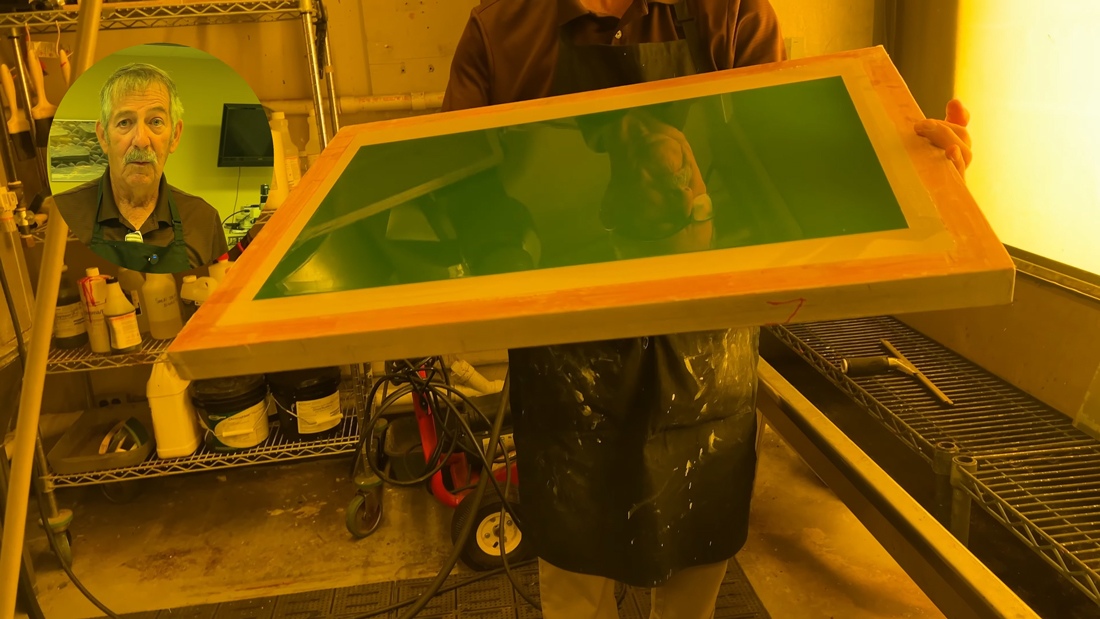
WATCH VIDEO: Benefits of Capillary Film with Mick Orr
Top Benefits of Capillary Film for Screen Printing
Capillary film offers a cleaner, simpler way to create consistent stencils without the learning curve of coating screens with liquid emulsion. Whether you're new to screen making or looking to improve consistency in a busy shop, capillary film has several advantages worth considering. Let's take a closer look at the benefits.

1. Easier Application and Less Mess
One of the biggest advantages of capillary film is how easy it is to apply. With traditional liquid emulsion, you need to fill a scoop coater, apply even coats to both sides of the screen, return unused emulsion to the container, and clean up your equipment afterward. Spills, drips, and wasted emulsion are all part of the process.
Capillary film simplifies things.
Instead of applying liquid emulsion with a scoop coater, you use water to adhere a pre-coated film to properly prepared mesh. There's no liquid emulsion to pour, no scoop coater to clean, and significantly less mess. As Chromaline's Mick Orr explains in our YouTube video, Benefits of Capillary Film, with capillary film the main thing you're likely to get on yourself is a little water.
It's a simple change that can make screen preparation cleaner and more manageable.
2. Consistent Stencil Thickness, Screen After Screen
Consistency is one of the most important factors in producing quality screens, and it's one of capillary film's greatest strengths. When coating with liquid emulsion, stencil thickness can vary depending on coating technique, scoop coater pressure, coating speed, mesh count, and the number of coats applied. Even experienced screen makers can introduce some variation between screens.
Capillary film eliminates much of that guesswork because the film is manufactured to a predetermined thickness.
For example, Pro/Cap 25 is manufactured at a thickness of 25 microns. Every time you use Pro/Cap 25, you're starting with the same film thickness. That doesn't mean the finished stencil will be exactly 25 microns above the mesh. When applied properly, a portion of the film penetrates into the mesh, helping create a strong bond. Mick notes that Chromaline's capillary films commonly penetrate approximately 50% to 75% into the mesh.
This penetration is important for adhesion and stencil durability. The result is a more predictable stencil-making process, making it easier to reproduce successful results from one screen to the next.
3. Better Control Over Print Quality
Stencil thickness plays an important role in print quality, particularly when producing fine details, halftones, or specialty ink deposits. With capillary film, you can select a specific film thickness based on your mesh count and printing application.
For example, a printer using 305 mesh for detailed graphics might select Pro/Cap 25. A lower mesh count used for bold graphics or heavier ink deposits may benefit from a thicker film. Matching film thickness to mesh count helps screen makers control stencil characteristics and achieve more consistent results.
Because capillary film provides a uniform starting thickness, it can also help produce predictable stencil edges and more consistent ink deposits. For printers producing detailed artwork or jobs requiring tight quality control, that consistency can make a noticeable difference.
4. Less Training and a Shorter Learning Curve
Learning to coat screens properly with liquid emulsion takes practice. How much pressure should you apply with the scoop coater? How fast should you move? How many coats should you use on each side of the screen? These are skills that develop over time, and even small inconsistencies can affect the finished stencil.
Capillary film makes the process easier to learn.
Because the film is already manufactured to a controlled thickness, operators don't need to master the same coating techniques required for liquid emulsion. Mick explains that training someone to coat screens consistently with liquid emulsion can take weeks or even months. By comparison, he has trained operators to apply capillary film in as little as an hour.
For shops bringing on new employees or working with multiple screen makers, a shorter learning curve can help improve consistency while reducing training time.

5. Predictable Material Usage and Less Waste
How many screens can you coat with a bucket of emulsion? The answer depends on your mesh count, coating technique, screen size, and how much material is lost during application and cleanup.
Capillary film makes material usage much easier to predict.
When using precut sheets, you know exactly how many screens you can produce from a box, assuming one sheet per screen. A box of 100 sheets provides enough material for 100 screens. There's no leftover liquid emulsion sitting in a scoop coater, no unused material to return to the bucket, and less product wasted during cleanup.
Although capillary film may have a higher upfront material cost than liquid emulsion, its predictable usage, reduced waste, and simpler application process can help offset that difference. When evaluating cost, it's worth considering the entire screen-making process, not just the price of the material.
6. Durable Stencils When Properly Exposed
One misconception about capillary film is that it isn't durable enough for long print runs. Mick has seen both extremes. He's worked with capillary film stencils that lasted tens of thousands of impressions and others that broke down after only a short run.
The difference often comes down to screen preparation and proper exposure. Just like liquid emulsion, capillary film needs to be correctly exposed to achieve its intended durability.
An underexposed stencil can break down prematurely, lose detail, or fail during printing. Proper exposure helps produce stronger stencils with better image quality and longer print life. Good mesh preparation, correct film application, appropriate drying conditions, and accurate exposure are all essential.
The takeaway? Don't assume premature stencil breakdown means capillary film isn't durable. Start by checking your exposure and screen-making process.

7. Easy Screen Reclaiming
Capillary film can also simplify the reclaim process. Unlike liquid emulsion, which is typically coated on both sides of the mesh, capillary film is applied from one side of the screen, with a portion of the film penetrating the mesh for adhesion.
Once the print job is complete, properly exposed and processed capillary film can generally be reclaimed using the same basic methods used for conventional emulsions. Apply a compatible stencil remover to both sides of the screen, allow it to work according to the product instructions, and use a pressure washer to remove the stencil.
With the right chemistry and reclaiming technique, capillary film can be removed efficiently, getting your screen ready for its next job.

Which Chromaline Capillary Film Is Right for You?
Chromaline offers four capillary film products to accommodate different printing applications, mesh counts, and production requirements.
Pro/Cap Capillary Film
A dependable, economical choice for everyday screen printing.
Pro/Cap is a pre-sensitized diazo capillary film designed for use with plastisol and solvent-based inks. It offers excellent film penetration, adhesion, and reliable stencil durability for demanding print runs. Available in multiple thicknesses from 15 to 50 microns, Pro/Cap can be matched to applications ranging from fine halftones to bold graphics and underbases.
Magna/Cure Capillary Film
Premium print quality and durability for demanding applications.
Magna/Cure is a dual-cure capillary film combining photopolymer and diazo technology. It delivers excellent image quality, solvent resistance, and stencil durability, along with easy washout and wide exposure latitude. Available in thicknesses from 18 to 70 microns, Magna/Cure is a versatile option for detailed graphics, general textile printing, and specialty applications requiring heavier ink deposits.
Razor Capillary Film
Fast exposure and excellent imaging for efficient screen production.
Razor is a pure photopolymer capillary film designed for both textile and graphic screen printing. Its fast exposure times can help increase screen room productivity, particularly for shops producing a high volume of screens. Razor also provides excellent imaging characteristics and can be used as a traditional capillary film or laminated with a compatible Chromaline textile emulsion.
Quick Film
A simple, beginner-friendly option for textile screen printing.
Quick Film is a pure photopolymer capillary film designed to make screen preparation fast, clean, and consistent. Available as precut 15" x 17" sheets in a 40-micron thickness, it's especially convenient for beginners, occasional screen makers, and shops looking for a straightforward alternative to liquid emulsion. Quick Film also offers a two-year shelf life under recommended storage conditions and can be used with traditional application methods or a compatible plotter cutter.

Is Capillary Film Worth It?
Liquid emulsion remains an excellent choice for many screen-printing applications, particularly when operators have the experience and equipment to produce consistent coatings. But capillary film offers several advantages that shouldn't be overlooked.
It's easier to apply, less messy, quicker to learn, and provides a controlled starting thickness that makes consistent stencil production more achievable. And while the initial material cost may be higher, the savings in application time, cleanup, wasted material, and potentially fewer screen remakes can make it a worthwhile investment. For many printers, the biggest benefit is simply knowing what to expect from every screen.
Ready to give it a try? Explore Chromaline's complete capillary film lineup to find the right film for your mesh count and printing application. You can buy direct from Chromaline or find a US/Canadian Chromaline distributor or International Chromaline distributor in your area. Contact Chromaline with any questions about using capillary film in your screen printing shop.